seismic wire, also known as geophones, plays a crucial role in detecting and monitoring seismic activity. From earthquake early warning systems to oil exploration, this specialized wire is indispensable in the field of geophysics. Let’s delve deeper into the fascinating world of seismic wire and its diverse applications.
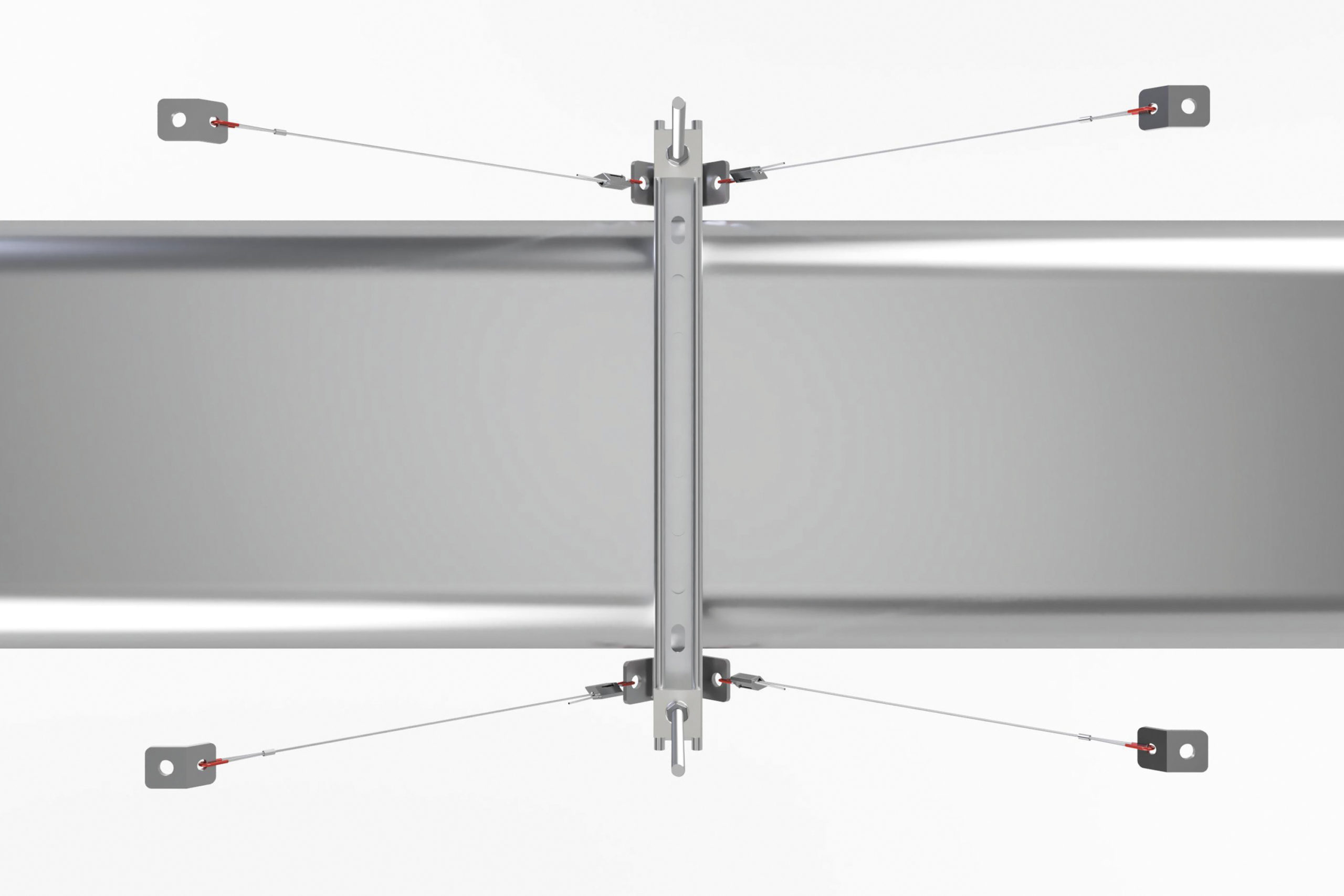
seismic wire is essentially a type of cable equipped with geophones, which are sensors designed to detect ground motion caused by seismic waves. These waves can result from various natural or artificial sources, such as earthquakes, volcanic activity, or explosions. The geophones are strategically placed along the wire, allowing them to pick up even the slightest vibrations in the Earth’s crust.
One of the most crucial applications of seismic wire is in earthquake detection and monitoring. By detecting seismic waves generated by earthquakes, scientists can analyze the data collected by the geophones to determine the location, magnitude, and even the potential impact of an earthquake. This valuable information can help authorities issue timely warnings to minimize the risk of casualties and damage.
seismic wire is also extensively used in oil and gas exploration. When exploring potential drilling sites, geophysicists rely on seismic surveys to map the underlying geological structures. By sending controlled seismic waves into the ground and recording the reflections using geophones, they can create detailed images of the subsurface, helping them identify potential oil and gas reserves.
Another interesting application of seismic wire is in structural health monitoring. By installing geophones along critical infrastructure such as bridges, dams, and buildings, engineers can continuously monitor for any signs of structural damage or deterioration. The real-time data provided by the geophones can help prevent catastrophic failures and ensure the safety of the structures and the people who use them.
Seismic wire is also utilized in the field of seismology to study the Earth’s internal structure and dynamics. By analyzing the seismic waves recorded by geophones, scientists can gain valuable insights into the composition and behavior of the Earth’s crust, mantle, and core. This research not only deepens our understanding of the planet but also helps in predicting and preparing for future seismic events.
In addition to its scientific and industrial applications, seismic wire is also used in entertainment and education. Seismometers equipped with geophones are often installed in museums and science centers to demonstrate the principles of seismic detection to the general public. These interactive exhibits allow visitors to experience firsthand how geophones work and learn about the fascinating world of earthquakes and seismic waves.
The development of seismic wire technology has led to significant advancements in the field of geophysics. Today, geophones are more sensitive, durable, and accurate than ever before, allowing scientists and engineers to gather precise data in even the most challenging conditions. Innovations such as wireless geophones and remote monitoring systems have further expanded the capabilities of seismic wire, making it an indispensable tool in a wide range of applications.
As the demand for accurate and reliable seismic data continues to grow, the importance of seismic wire in earthquake detection and monitoring cannot be overstated. Whether it’s for early warning systems, oil exploration, structural health monitoring, or scientific research, seismic wire plays a vital role in keeping us safe and informed about the dynamic forces at work beneath the Earth’s surface.
In conclusion, seismic wire, or geophones, is a powerful tool that enables us to detect and monitor seismic activity with precision and reliability. From earthquake early warning systems to oil exploration and structural health monitoring, seismic wire has revolutionized the field of geophysics and continues to play a crucial role in our understanding of the Earth’s dynamics. By harnessing the power of seismic wire, we can uncover valuable insights into the inner workings of our planet and better prepare for the seismic events that shape our world.