seismic wire rope, also known as earthquake wire rope, plays a crucial role in ensuring the safety and effectiveness of seismic monitoring systems. As seismic activity becomes a growing concern in many regions around the world, the use of high-quality wire ropes is essential for accurate data collection and early warning systems.
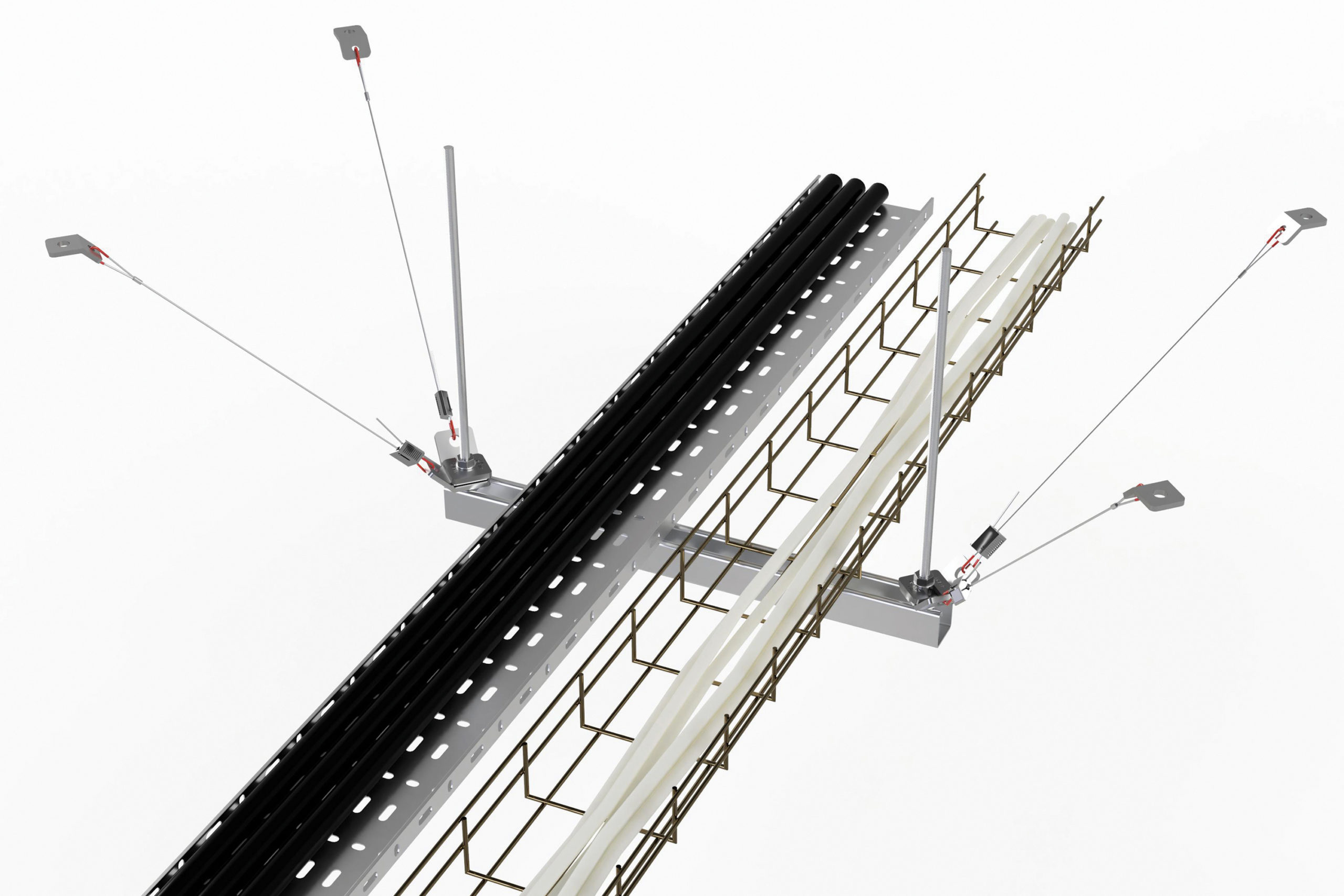
seismic wire ropes are specifically designed to withstand the intense forces generated during an earthquake. These ropes are typically made from high-strength materials such as steel or other alloys that can withstand extreme tension, compression, and torsion. The construction of seismic wire ropes is carefully engineered to ensure durability and reliability, even in the most challenging environments.
One of the key functions of seismic wire ropes is to support the sensors and equipment used in seismic monitoring systems. These ropes are often used to suspend seismometers, accelerometers, and other sensors in remote or hazardous locations where direct installation is not feasible. By securely anchoring these sensors in place, seismic wire ropes can help to ensure accurate and consistent data collection under all conditions.
In addition to supporting sensors, seismic wire ropes are also used to transmit signals and power to seismic monitoring equipment. These ropes are equipped with conductive elements that allow for the transmission of electrical currents, data, and power over long distances. This capability is essential for connecting sensors to monitoring stations, providing real-time data to scientists and emergency response teams.
Another important role of seismic wire ropes is in the construction of earthquake early warning systems. These systems rely on a network of sensors placed along fault lines and other high-risk areas to detect seismic activity and trigger alerts before an earthquake occurs. seismic wire ropes play a critical role in connecting these sensors and ensuring the timely transmission of data to monitoring stations.
Seismic wire ropes are also used in the construction of seismic isolation systems, which are designed to protect buildings and infrastructure from the damaging effects of earthquakes. These systems use a combination of bearings, dampers, and other components to absorb and dissipate seismic energy, reducing the risk of structural damage and collapse. Seismic wire ropes are often used to anchor these components in place and provide additional stability during an earthquake.
One of the main advantages of seismic wire ropes is their flexibility and versatility. These ropes can be customized to meet the specific needs of a wide range of seismic monitoring and protection applications. From simple sensor suspension to complex network installations, seismic wire ropes can be tailored to provide optimal performance and reliability in any environment.
As seismic events continue to pose a significant threat to communities around the world, the importance of high-quality seismic wire ropes cannot be overstated. These ropes play a crucial role in ensuring the effectiveness of seismic monitoring systems, early warning systems, and seismic isolation systems, helping to protect lives and property in the event of an earthquake.
In conclusion, seismic wire ropes are a critical component of earthquake preparedness and response efforts. By providing support, transmission capabilities, and stability to seismic monitoring and protection systems, these ropes play a vital role in keeping communities safe and informed during seismic events. As the threat of earthquakes continues to grow, investing in high-quality seismic wire ropes is essential for ensuring the safety and resilience of our infrastructure and resources.